

Understanding Aluminum Extrusion Profiles for Windows and Doors
Release time:
2026-05-14
Aluminum extrusion profiles for windows and doors are an integral part of modern architectural design and construction. These profiles are created through a process where aluminum alloy is pushed through a shaped die, resulting in long sections of material that can be cut to desired lengths. This technique allows for a high degree of customization, enabling manufacturers to create profiles that me
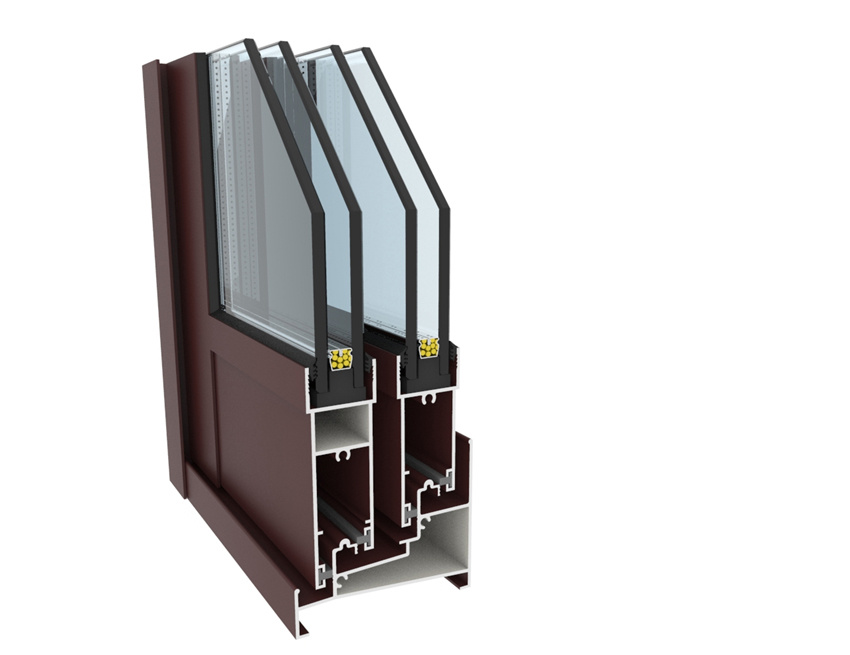
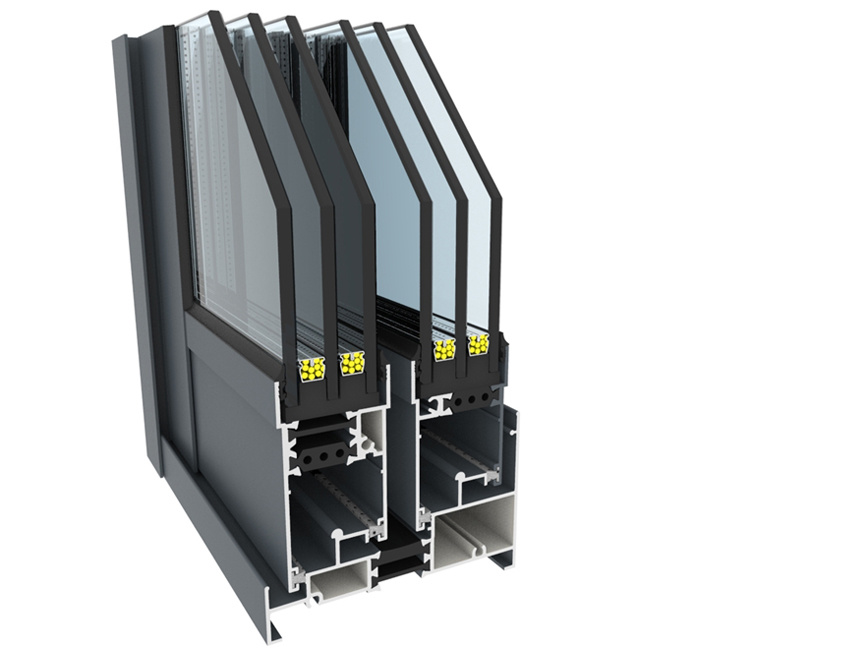
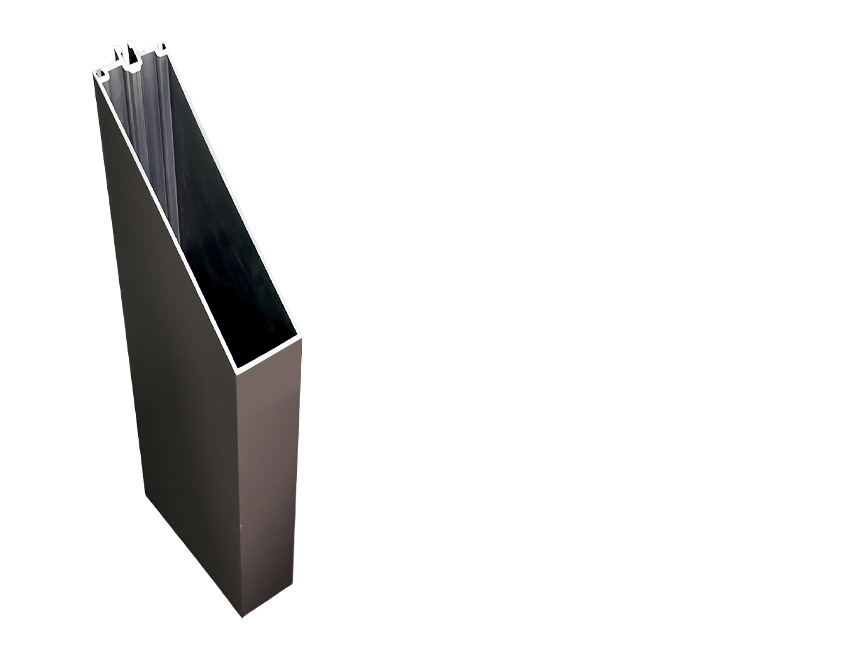
Aluminum extrusion profiles for windows and doors are an integral part of modern architectural design and construction. These profiles are created through a process where aluminum alloy is pushed through a shaped die, resulting in long sections of material that can be cut to desired lengths. This technique allows for a high degree of customization, enabling manufacturers to create profiles that meet specific design requirements and performance standards.
One of the key advantages of aluminum extrusion profiles is their strength-to-weight ratio. Aluminum is known for being lightweight yet robust, making it an ideal choice for window and door frames that need to support significant structural loads while remaining easy to handle and install. Additionally, aluminum is resistant to corrosion, which is particularly important in environments exposed to moisture and varying weather conditions. This resistance enhances the longevity of windows and doors, ensuring that they maintain their functionality and aesthetic appeal over time.
Another significant benefit of aluminum extrusion profiles is their versatility. They can be designed to accommodate single or double-glazed glass, allowing for excellent thermal performance. Various coatings and finishes can be applied to aluminum to enhance its appearance and improve its resistance to scratches and environmental wear. This adaptability makes aluminum profiles suitable for a wide range of architectural styles, from contemporary to traditional.
The manufacturing process of aluminum extrusion profiles for windows and doors involves several critical steps. Initially, the aluminum alloy is heated to a malleable state before being forced through the die. After extrusion, the profiles undergo cooling, cutting, and finishing processes, which may include anodizing or powder coating. Anodizing enhances corrosion resistance while providing a decorative finish, while powder coating allows for a wide variety of colors and textures.
When selecting aluminum extrusion profiles for windows and doors, it is essential to consider factors such as thermal insulation, structural integrity, and aesthetic preferences. Properly designed profiles can significantly improve a building's energy efficiency, reducing heating and cooling costs while contributing to sustainability goals.
In conclusion, aluminum extrusion profiles for windows and doors offer numerous advantages, including strength, durability, and design flexibility. Their unique properties make them an attractive choice for builders, architects, and homeowners alike. Understanding the benefits and applications of these profiles can lead to better-informed decisions when it comes to construction and renovation projects. Whether for residential or commercial use, aluminum extrusion profiles continue to be a preferred material in the construction industry.
One of the key advantages of aluminum extrusion profiles is their strength-to-weight ratio. Aluminum is known for being lightweight yet robust, making it an ideal choice for window and door frames that need to support significant structural loads while remaining easy to handle and install. Additionally, aluminum is resistant to corrosion, which is particularly important in environments exposed to moisture and varying weather conditions. This resistance enhances the longevity of windows and doors, ensuring that they maintain their functionality and aesthetic appeal over time.
Another significant benefit of aluminum extrusion profiles is their versatility. They can be designed to accommodate single or double-glazed glass, allowing for excellent thermal performance. Various coatings and finishes can be applied to aluminum to enhance its appearance and improve its resistance to scratches and environmental wear. This adaptability makes aluminum profiles suitable for a wide range of architectural styles, from contemporary to traditional.
The manufacturing process of aluminum extrusion profiles for windows and doors involves several critical steps. Initially, the aluminum alloy is heated to a malleable state before being forced through the die. After extrusion, the profiles undergo cooling, cutting, and finishing processes, which may include anodizing or powder coating. Anodizing enhances corrosion resistance while providing a decorative finish, while powder coating allows for a wide variety of colors and textures.
When selecting aluminum extrusion profiles for windows and doors, it is essential to consider factors such as thermal insulation, structural integrity, and aesthetic preferences. Properly designed profiles can significantly improve a building's energy efficiency, reducing heating and cooling costs while contributing to sustainability goals.
In conclusion, aluminum extrusion profiles for windows and doors offer numerous advantages, including strength, durability, and design flexibility. Their unique properties make them an attractive choice for builders, architects, and homeowners alike. Understanding the benefits and applications of these profiles can lead to better-informed decisions when it comes to construction and renovation projects. Whether for residential or commercial use, aluminum extrusion profiles continue to be a preferred material in the construction industry.
Related News



CONTACT INFORMATION
location
Address
Lijiaxiang Industrial Zone, National Highway 104, Changxing County, Huzhou City
Copyright © 2025 Zhejiang Boao Aluminum Industry Co., Ltd.