

Extruded Aluminium Frame Drives Innovation in Modern Industrial and Construction Applications
Release time:
2026-04-26
Extruded aluminium frame suppliers offering high-quality profiles, precise machining, durable structures, and customizable solutions for industrial and construction applications
In today’s rapidly evolving industrial and construction sectors, extruded aluminium frame systems have become one of the most essential structural materials due to their versatility, strength, and lightweight properties. Widely used across automation equipment, machinery manufacturing, solar energy systems, transportation infrastructure, and modular construction, extruded aluminium frames are reshaping the way modern structures are designed and assembled. Their unique combination of performance, adaptability, and sustainability has made them a preferred choice for engineers, architects, and manufacturers worldwide.
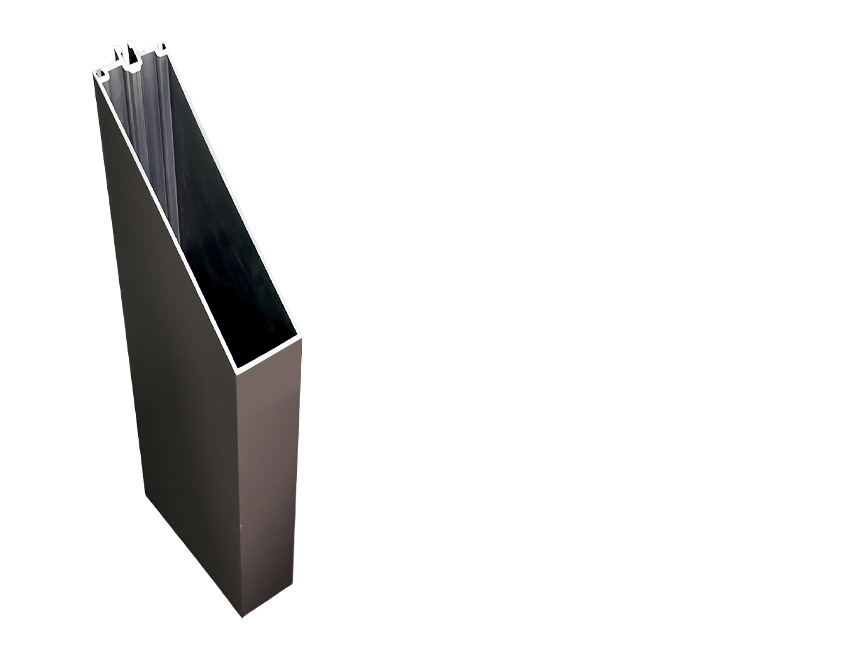
Extruded aluminium frames are produced through a highly controlled manufacturing process known as aluminum extrusion. In this process, aluminum alloy billets are heated and forced through a specially designed die to create continuous profiles with precise cross-sectional shapes. This method allows for exceptional design flexibility, enabling the production of complex geometries that meet specific structural and functional requirements. The resulting profiles are then cut, machined, and finished according to application needs, ensuring high precision and consistency.
One of the most significant advantages of extruded aluminium frames is their excellent strength-to-weight ratio. Aluminum is inherently lightweight, yet when alloyed and extruded into engineered profiles, it provides remarkable structural strength. This makes aluminium frames ideal for applications where weight reduction is critical without compromising durability. Industries such as aerospace, automotive, and robotics rely heavily on these materials to improve efficiency and performance.
Corrosion resistance is another key benefit of extruded aluminium frames. Aluminum naturally forms a protective oxide layer that prevents rust and degradation, making it suitable for both indoor and outdoor environments. This property is particularly valuable in construction and infrastructure projects where long-term durability and minimal maintenance are required. Additional surface treatments such as anodizing, powder coating, and electrophoresis further enhance corrosion resistance and aesthetic appearance.
Modularity and ease of assembly are also major factors driving the widespread adoption of extruded aluminium frame systems. Many modern designs utilize T-slot profiles, which allow components to be easily connected using standard fasteners without the need for welding. This modular approach significantly reduces installation time, labor costs, and design complexity. It also enables rapid prototyping and flexible system modifications, which are essential in fast-paced industrial environments.
In the field of industrial automation, extruded aluminium frames are widely used to construct machine bases, safety enclosures, conveyor systems, and robotic workstations. Their precision and stability ensure accurate alignment of mechanical components, which is critical for high-performance automated systems. Additionally, their vibration-damping properties contribute to improved operational stability and equipment longevity.
The renewable energy sector has also embraced extruded aluminium frames, particularly in solar photovoltaic mounting systems. Aluminium structures provide a stable and corrosion-resistant foundation for solar panels, ensuring long-term performance in outdoor conditions. Their lightweight nature simplifies transportation and installation, reducing overall project costs while maintaining structural integrity.
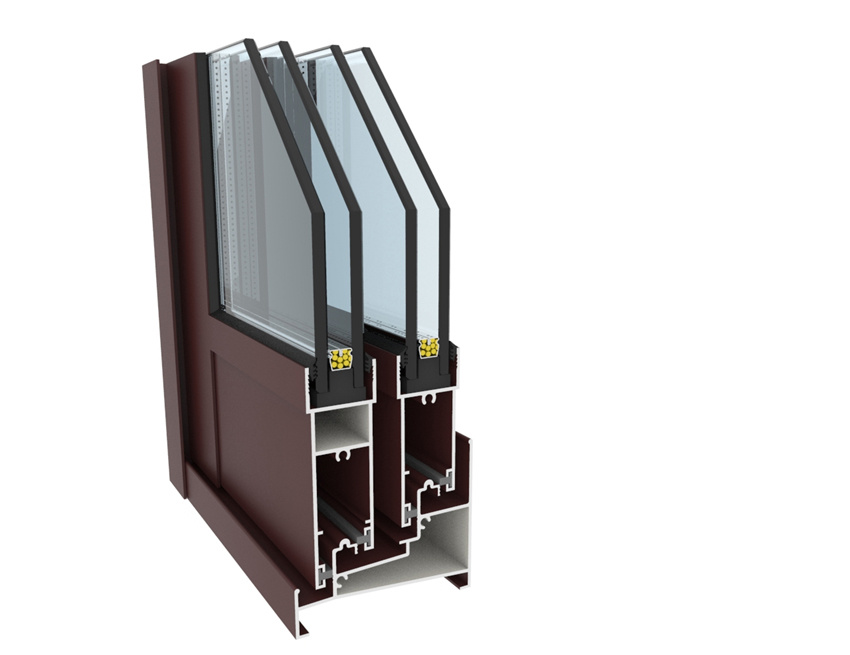
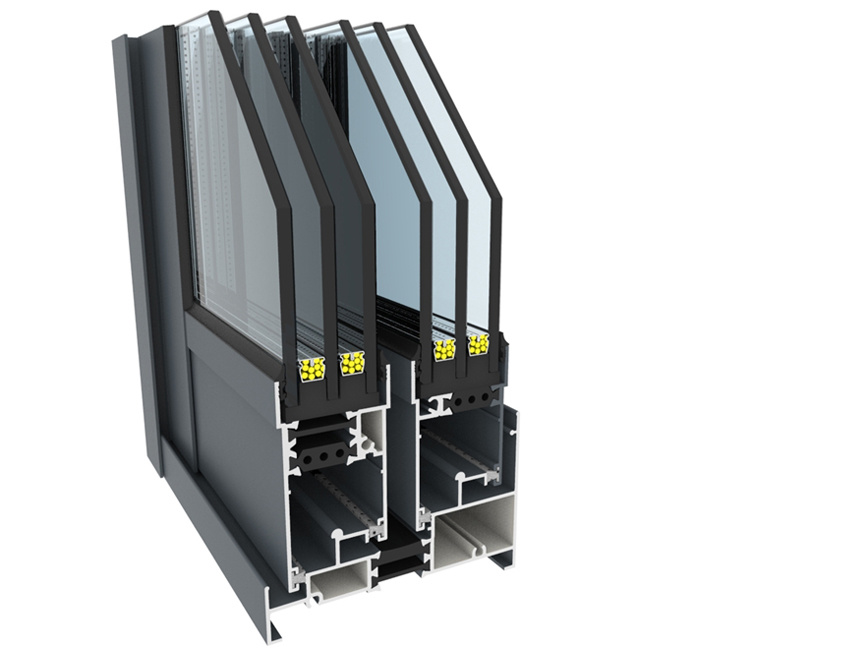
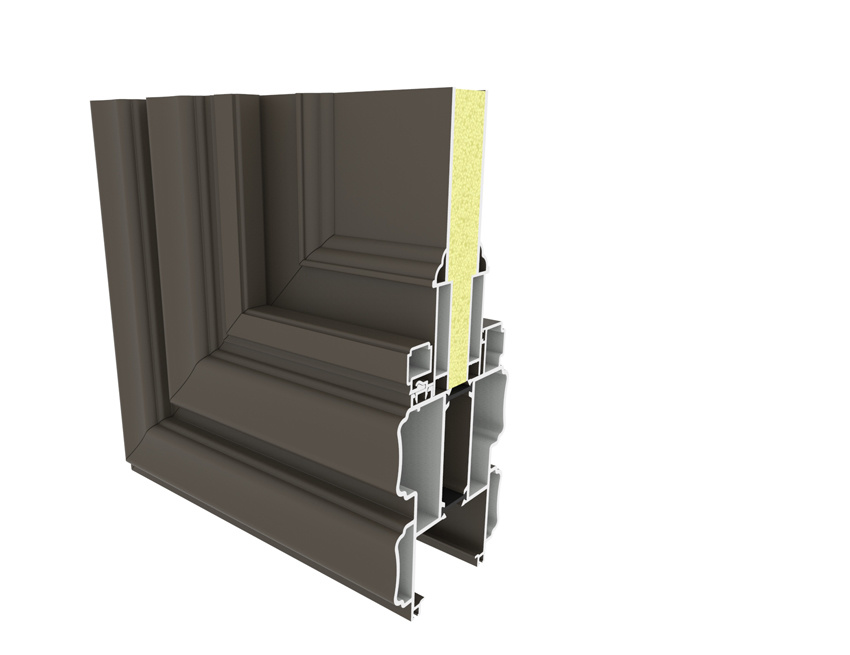
In architecture and construction, extruded aluminium frames are used in curtain wall systems, partitions, window frames, and modular building structures. Their clean appearance, structural reliability, and design flexibility make them a popular choice for modern architectural designs. Architects appreciate the ability to create large, open spaces with minimal structural constraints while maintaining aesthetic appeal.
Sustainability is another important factor contributing to the growth of extruded aluminium frame applications. Aluminum is 100% recyclable without loss of quality, making it one of the most environmentally friendly construction materials available. Recycling aluminum requires significantly less energy compared to primary production, reducing carbon emissions and supporting global sustainability goals. As industries move toward greener practices, demand for recyclable materials like aluminium continues to rise.
Technological advancements in extrusion and machining processes have further improved the quality and performance of aluminium frame systems. Computer-aided design (CAD) and computer numerical control (CNC) machining allow for highly precise manufacturing, ensuring tight tolerances and consistent quality. These technologies also enable the development of customized solutions tailored to specific industrial needs.
The global market for extruded aluminium frames is experiencing steady growth, driven by increasing industrialization, infrastructure development, and renewable energy investments. Asia-Pacific, Europe, and North America are key regions contributing to market expansion, with strong demand from manufacturing and construction sectors. Emerging economies are also adopting aluminium frame systems as part of their industrial modernization efforts.
Looking ahead, the future of extruded aluminium frames is expected to be shaped by continued innovation in material science, manufacturing technology, and sustainable engineering practices. Lightweight alloys, improved surface treatments, and smart modular systems are likely to further enhance performance and expand application possibilities. Integration with digital design and smart manufacturing systems will also improve efficiency and customization capabilities.
In conclusion, extruded aluminium frames represent a critical advancement in modern structural engineering. Their combination of strength, lightweight design, corrosion resistance, and modular flexibility makes them indispensable across a wide range of industries. As global demand for efficient, sustainable, and adaptable materials continues to grow, extruded aluminium frames will remain a foundational component in the future of industrial and construction innovation.
Related News



CONTACT INFORMATION
location
Address
Lijiaxiang Industrial Zone, National Highway 104, Changxing County, Huzhou City
Copyright © 2025 Zhejiang Boao Aluminum Industry Co., Ltd.