

Understanding Aluminum Extrusion Profiles for Windows and Doors
Release time:
2026-03-25
Aluminum extrusion profiles for windows and doors are critical components in the construction and architectural industries. These profiles are created through an extrusion process, where aluminum is heated and pushed through a die to form specific shapes that meet varied design requirements. This manufacturing method allows for a high degree of customization, making aluminum profiles ideal for a w
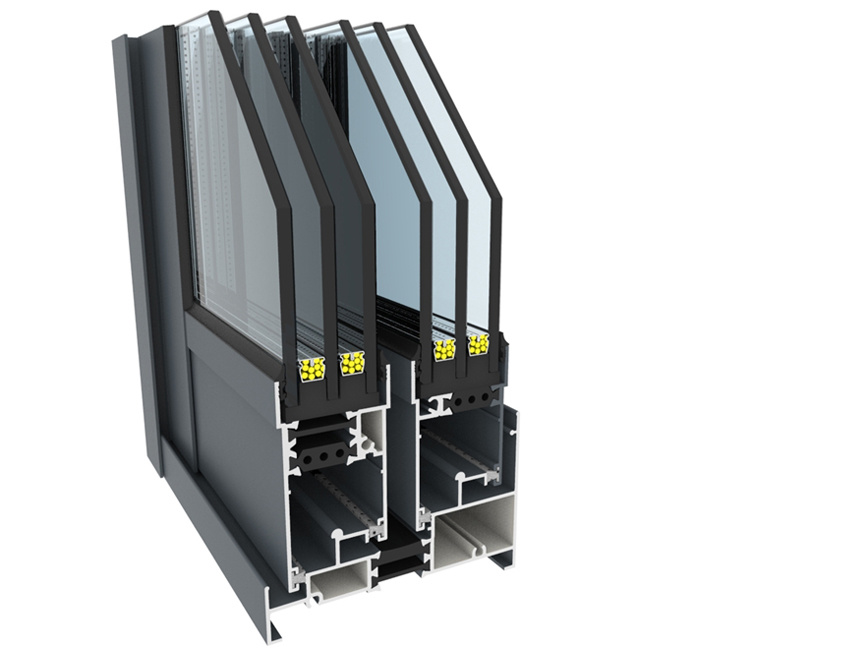
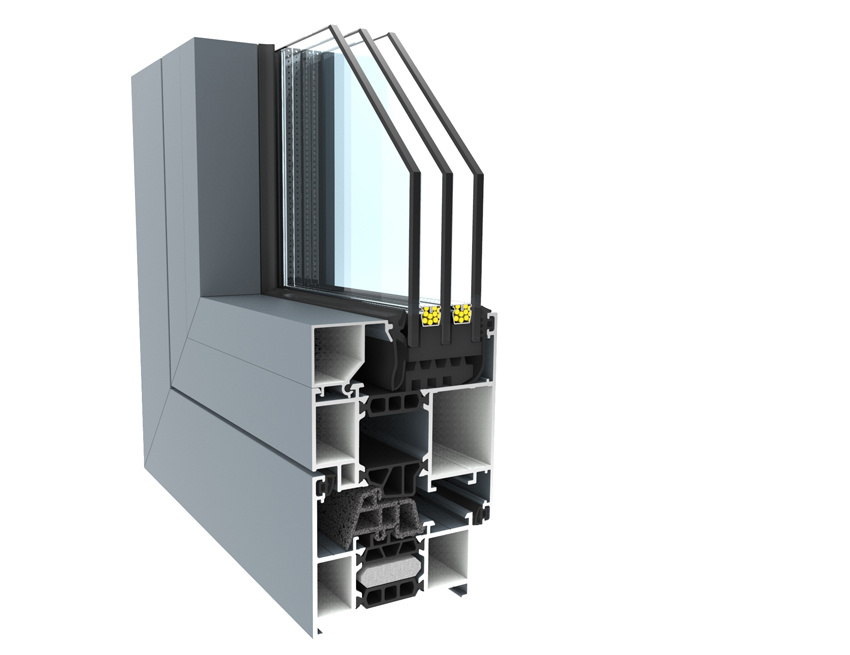
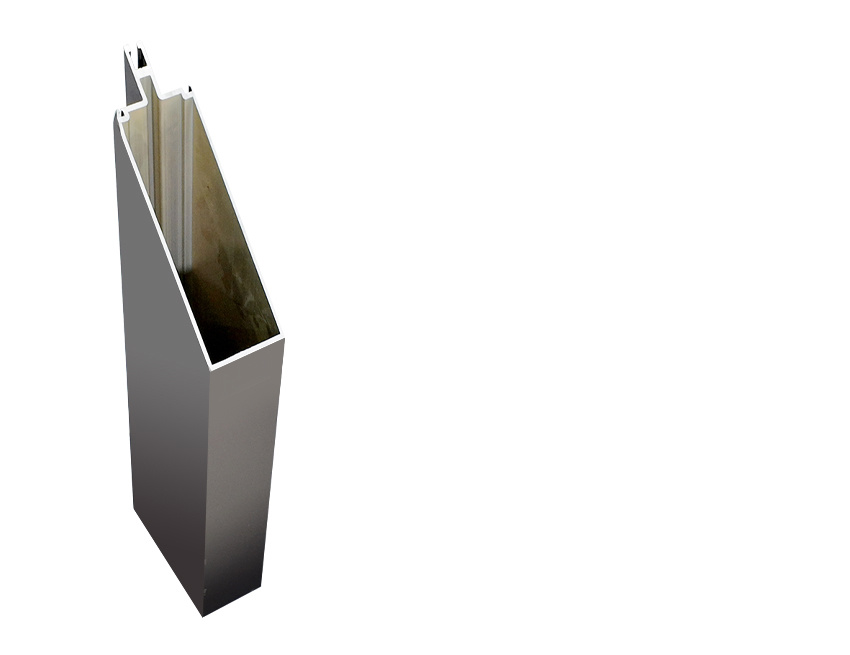
Aluminum extrusion profiles for windows and doors are critical components in the construction and architectural industries. These profiles are created through an extrusion process, where aluminum is heated and pushed through a die to form specific shapes that meet varied design requirements. This manufacturing method allows for a high degree of customization, making aluminum profiles ideal for a wide range of applications in residential and commercial settings.
One of the primary advantages of using aluminum extrusion profiles is their inherent strength and durability. Aluminum is a lightweight yet robust material, resistant to rust and corrosion, which is particularly important for products exposed to the elements over time. This durability ensures that windows and doors maintain their structural integrity while offering long-lasting performance, reducing maintenance costs and prolonging their lifespan.
Energy efficiency is another important factor when it comes to aluminum extrusion profiles for windows and doors. These profiles can be designed with thermal breaks—insulating materials placed between the interior and exterior surfaces. This design minimizes heat transfer, helping to maintain comfortable indoor temperatures and ultimately reducing energy consumption. This is particularly beneficial in climates with extreme temperatures, where energy savings can significantly impact overall utility costs.
From a design standpoint, aluminum extrusion profiles offer unparalleled flexibility. They can be customized in various shapes, sizes, and finishes, allowing architects and designers to create aesthetically pleasing designs that match the overall architectural vision. Whether you're seeking sleek, modern lines or more traditional looks, aluminum profiles can be tailored to meet specific design preferences without sacrificing functionality.
Moreover, the lightweight nature of aluminum allows for easier handling and installation. This reduces labor costs and time during construction, making aluminum extrusion profiles a practical choice for both large-scale projects and smaller renovations. The ease of installation, combined with the longevity and low maintenance requirements of aluminum, makes it a favorable option for builders and contractors alike.
In conclusion, aluminum extrusion profiles for windows and doors represent a perfect blend of strength, energy efficiency, and design versatility. As the industry continues to evolve, the development of innovative profiles will further enhance the capabilities of aluminum in architectural applications. By understanding the benefits and possibilities of these profiles, professionals within the construction and design sectors can make informed decisions that cater to the needs of their projects and clients.
One of the primary advantages of using aluminum extrusion profiles is their inherent strength and durability. Aluminum is a lightweight yet robust material, resistant to rust and corrosion, which is particularly important for products exposed to the elements over time. This durability ensures that windows and doors maintain their structural integrity while offering long-lasting performance, reducing maintenance costs and prolonging their lifespan.
Energy efficiency is another important factor when it comes to aluminum extrusion profiles for windows and doors. These profiles can be designed with thermal breaks—insulating materials placed between the interior and exterior surfaces. This design minimizes heat transfer, helping to maintain comfortable indoor temperatures and ultimately reducing energy consumption. This is particularly beneficial in climates with extreme temperatures, where energy savings can significantly impact overall utility costs.
From a design standpoint, aluminum extrusion profiles offer unparalleled flexibility. They can be customized in various shapes, sizes, and finishes, allowing architects and designers to create aesthetically pleasing designs that match the overall architectural vision. Whether you're seeking sleek, modern lines or more traditional looks, aluminum profiles can be tailored to meet specific design preferences without sacrificing functionality.
Moreover, the lightweight nature of aluminum allows for easier handling and installation. This reduces labor costs and time during construction, making aluminum extrusion profiles a practical choice for both large-scale projects and smaller renovations. The ease of installation, combined with the longevity and low maintenance requirements of aluminum, makes it a favorable option for builders and contractors alike.
In conclusion, aluminum extrusion profiles for windows and doors represent a perfect blend of strength, energy efficiency, and design versatility. As the industry continues to evolve, the development of innovative profiles will further enhance the capabilities of aluminum in architectural applications. By understanding the benefits and possibilities of these profiles, professionals within the construction and design sectors can make informed decisions that cater to the needs of their projects and clients.
Related News




CONTACT INFORMATION
location
Address
Lijiaxiang Industrial Zone, National Highway 104, Changxing County, Huzhou City
Copyright © 2025 Zhejiang Boao Aluminum Industry Co., Ltd.