

Discover the Transformative Advantages of Anodized Aluminum Angle Trim in Modern Design
Release time:
2026-03-20
Discover the Transformative Advantages of Anodized Aluminum Angle Trim in Modern Design Table of Contents What is Anodized Aluminum Angle Trim? Understanding the Anodizing Process Key Benefits of Anodized Aluminum Angle Trim Applications of Anodized Aluminum Angle Trim in Design Choosing the Right Anodized Aluminum Angle Trim for Your Project Comparing Anodized Aluminum to Traditional Materials I
Discover the Transformative Advantages of Anodized Aluminum Angle Trim in Modern Design
Table of Contents
- What is Anodized Aluminum Angle Trim?
- Understanding the Anodizing Process
- Key Benefits of Anodized Aluminum Angle Trim
- Applications of Anodized Aluminum Angle Trim in Design
- Choosing the Right Anodized Aluminum Angle Trim for Your Project
- Comparing Anodized Aluminum to Traditional Materials
- Installation Tips for Anodized Aluminum Angle Trim
- Frequently Asked Questions
- Conclusion
What is Anodized Aluminum Angle Trim?
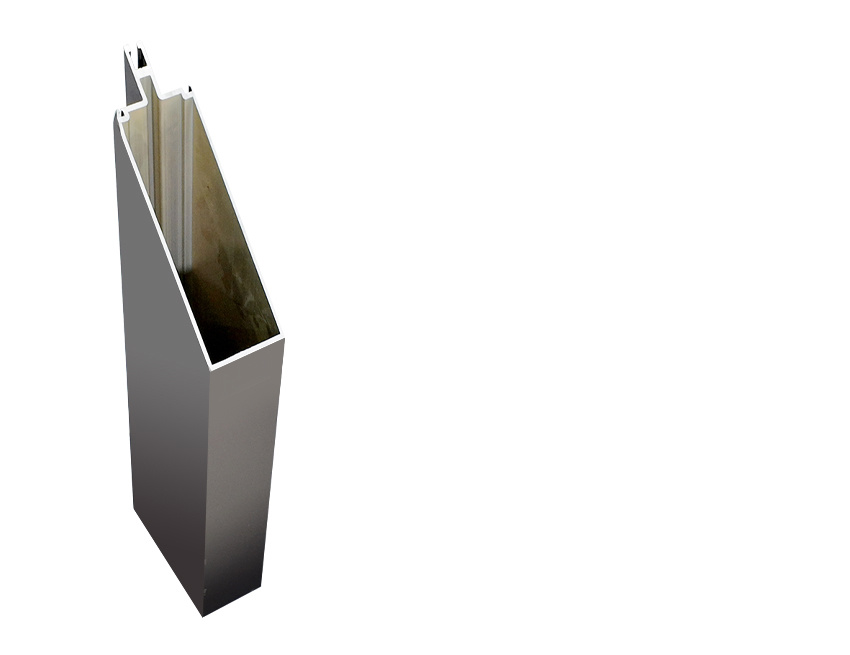
Anodized aluminum angle trim is a versatile, strong, and lightweight material often used in various design applications. It is created by an electrochemical process that increases the thickness of the natural oxide layer on the aluminum surface. This process not only enhances the metal's durability but also allows for a range of aesthetic finishes. Anodized aluminum angle trim is characterized by its sharp angles and edges, making it ideal for framing, edging, and creating clean lines in design projects.
Understanding the Anodizing Process
The anodizing process involves immersing aluminum in an acidic electrolyte solution and applying an electric current. This results in a controlled oxidation reaction, forming a robust layer of aluminum oxide on the surface. The anodized layer is not only thicker than the natural oxide layer, but it also has improved wear resistance and corrosion protection. Moreover, this process can be tailored to achieve various colors and finishes, allowing designers to match the angle trim to specific aesthetics and themes.
Key Benefits of Anodized Aluminum Angle Trim
Diverse Design Options
One of the most significant advantages of anodized aluminum angle trim is the variety of finish options available. From metallic hues to vibrant colors, designers can choose a finish that complements their project’s color scheme without compromising quality.
Durability and Longevity
Anodized aluminum is renowned for its durability. The anodized layer protects against scratches, dents, and UV damage, ensuring that the trim maintains its appearance over time. This makes it an excellent choice for both indoor and outdoor applications.
Corrosion Resistance
Unlike untreated aluminum, which can corrode when exposed to moisture, anodized aluminum is highly resistant to corrosion. The anodized layer acts as a barrier, preventing moisture and environmental elements from deteriorating the material.
Low Maintenance Requirements
Anodized aluminum angle trim requires minimal maintenance. Regular cleaning with mild soaps and water is sufficient to keep it looking fresh and new. This low-maintenance characteristic makes it a favorite among homeowners and professionals alike.
Eco-Friendliness
The anodizing process is environmentally friendly; it produces no toxic emissions and is entirely recyclable. When considering sustainable building materials, anodized aluminum angle trim stands out as an eco-conscious choice.
Applications of Anodized Aluminum Angle Trim in Design
Architectural Features
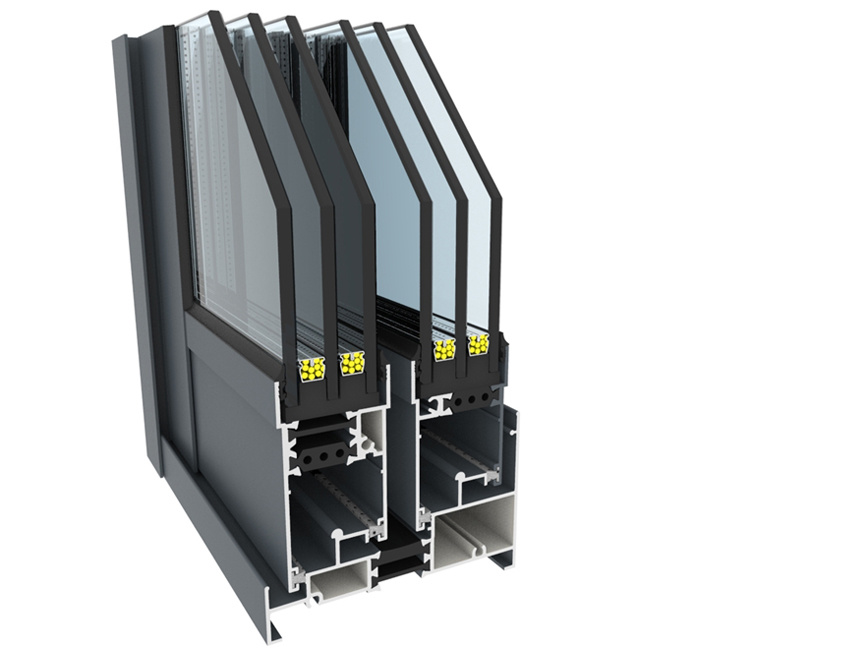
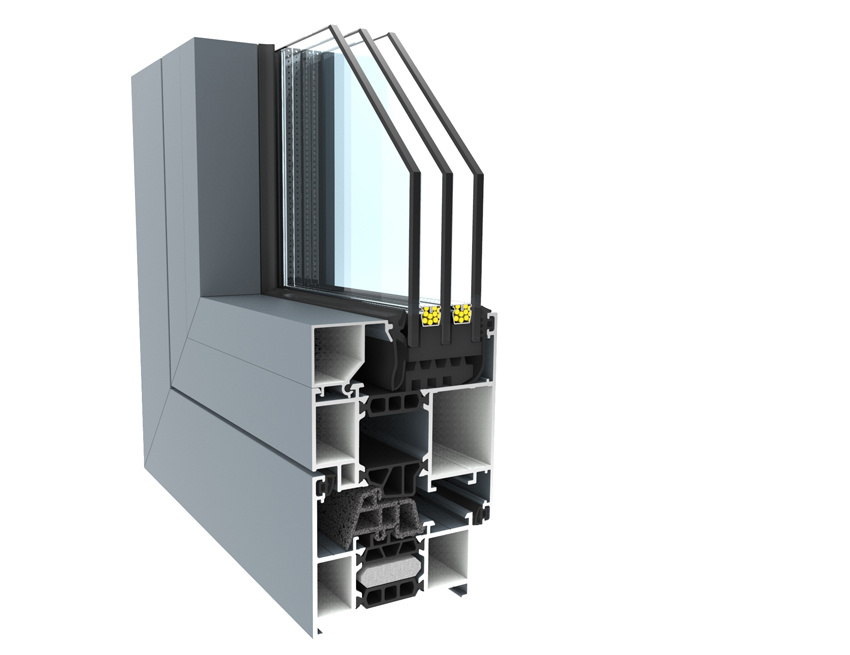
Anodized aluminum angle trim is often used in architectural features, providing a sleek and modern look to buildings. It can frame windows, doors, and curtain walls, enhancing both aesthetics and structural integrity.
Interior Design
In interiors, anodized aluminum angle trim can be used to create stylish borders for wall panels, ceilings, and flooring. Its sleek finish adds a contemporary touch to any space, making it suitable for both residential and commercial projects.
Furniture Design
Many furniture designers incorporate anodized aluminum angle trim to enhance the functionality and appearance of their pieces. It provides a unique edge to tables, shelves, and cabinetry, offering strength and style.
Industrial Applications
In industrial settings, anodized aluminum angle trim is utilized for machine guards, equipment casings, and structural components. Its robust properties ensure safety and durability in demanding environments.
Signage and Display
Anodized aluminum angle trim is also widely used in signage and display systems. Its ability to resist fading and wear makes it ideal for both indoor and outdoor signs.
Choosing the Right Anodized Aluminum Angle Trim for Your Project
When selecting anodized aluminum angle trim for your project, consider the following factors:
Thickness and Width
Determine the appropriate thickness and width based on the intended application. Thicker trims are often more suitable for structural uses, while thinner options may be ideal for decorative purposes.
Finish and Color
Select a finish and color that align with your design vision. Consider the surrounding materials and overall aesthetic to create a cohesive look.
Surface Treatment
Some anodized aluminum angle trims offer additional surface treatments, such as anti-fingerprint or anti-slip finishes. Assess your specific needs to choose the most suitable option.
Supplier Quality
Choose reputable suppliers who provide high-quality anodized aluminum angle trim. Investigate their manufacturing processes and customer reviews to ensure a reliable purchase.
Comparing Anodized Aluminum to Traditional Materials
Weight and Strength
Compared to traditional materials like wood and steel, anodized aluminum is significantly lighter while maintaining high strength. This makes it easier to handle and install without sacrificing durability.
Cost-Effectiveness
While the initial cost of anodized aluminum may be higher than some traditional materials, its long lifespan and low maintenance requirements make it a cost-effective choice in the long run.
Aesthetic Appeal
Anodized aluminum offers a modern aesthetic that is often difficult to achieve with traditional materials. Its sleek, polished finish can elevate the visual appeal of any design.
Environmental Impact
When considering environmental sustainability, anodized aluminum is more eco-friendly than many traditional materials. It is fully recyclable and produced with a significantly smaller carbon footprint.
Installation Tips for Anodized Aluminum Angle Trim
Preparation
Before installation, ensure that the surface is clean and free from debris. This guarantees a secure and lasting bond.
Measurement
Accurate measurement is crucial. Double-check dimensions before cutting the trim to avoid mistakes that could lead to wasted materials.
Tools Required
Have the necessary tools ready, including a saw for cutting, a drill for fastening, and a level to ensure straight lines. This will streamline the installation process.
Fastening Options
Depending on your project, you can use screws, adhesive, or rivets to secure the angle trim. Choose the fastening method that best suits your application and environment.
Frequently Asked Questions
1. Is anodized aluminum angle trim suitable for outdoor use?
Yes, anodized aluminum angle trim is highly resistant to corrosion and UV damage, making it ideal for outdoor applications.
2. Can anodized aluminum be painted?
While anodized aluminum can be painted, it is essential to use specific types of paint designed for metal surfaces to ensure proper adhesion.
3. How do I clean anodized aluminum angle trim?
Regular cleaning with mild soap and water is sufficient. Avoid abrasive cleaners, as they can scratch the finish.
4. What is the lifespan of anodized aluminum angle trim?
With proper care, anodized aluminum angle trim can last for several decades without significant wear or degradation.
5. Is anodized aluminum angle trim more expensive than other materials?
While anodized aluminum may have a higher upfront cost, its durability and low maintenance make it an economical choice over time.
Conclusion
Anodized aluminum angle trim is a versatile and durable choice that enhances various design applications. Its benefits, including corrosion resistance, aesthetic appeal, and low maintenance requirements, make it a preferred material for architects, designers, and DIY enthusiasts alike. By understanding its advantages and applications, you can incorporate anodized aluminum angle trim into your projects effectively, showcasing both style and functionality that stand the test of time. Embrace the transformative potential of anodized aluminum angle trim and elevate your design to new heights.
Related News




CONTACT INFORMATION
location
Address
Lijiaxiang Industrial Zone, National Highway 104, Changxing County, Huzhou City
Copyright © 2025 Zhejiang Boao Aluminum Industry Co., Ltd.