

How Aluminium Louvre Extrusions Enhance Energy Efficiency in Buildings
Release time:
2026-01-05
How Aluminium Louvre Extrusions Enhance Energy Efficiency in Buildings Table of Contents 1. Introduction to Aluminium Louvre Extrusions 2. Importance of Energy Efficiency in Modern Architecture 3. How Aluminium Louvre Extrusions Work 4. Key Benefits of Aluminium Louvre Extrusions for Energy Efficiency 5. Design Considerations for Using Louvre Systems 6. Case Studies: Succe
How Aluminium Louvre Extrusions Enhance Energy Efficiency in Buildings
Table of Contents
- 1. Introduction to Aluminium Louvre Extrusions
- 2. Importance of Energy Efficiency in Modern Architecture
- 3. How Aluminium Louvre Extrusions Work
- 4. Key Benefits of Aluminium Louvre Extrusions for Energy Efficiency
- 5. Design Considerations for Using Louvre Systems
- 6. Case Studies: Successful Implementations of Aluminium Louvre Extrusions
- 7. Sustainability and the Environmental Impact of Aluminium Louvre Systems
- 8. Future Trends in Aluminium Louvre Extrusions
- 9. FAQs about Aluminium Louvre Extrusions and Energy Efficiency
- 10. Conclusion
1. Introduction to Aluminium Louvre Extrusions
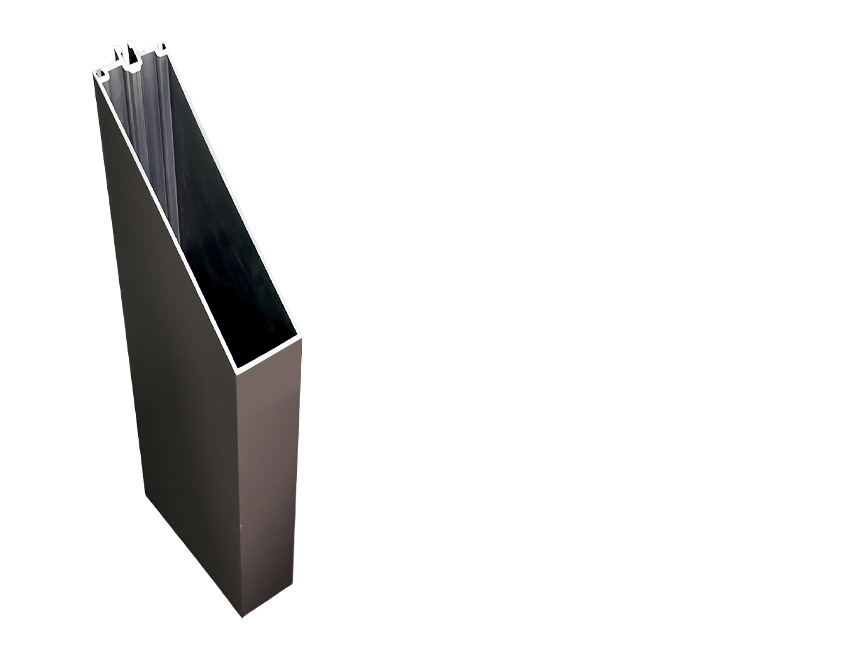
Aluminium louvre extrusions are engineered architectural components designed to enhance ventilation, regulate temperature, and improve light management in buildings. These systems consist of horizontal slats or blades that create a barrier while allowing air to circulate freely. As buildings evolve towards sustainability, aluminium louvre extrusions emerge as a vital solution for achieving energy efficiency.
2. Importance of Energy Efficiency in Modern Architecture
Energy efficiency has become a cornerstone in contemporary architectural design. With rising energy costs and increasing environmental concerns, enhancing the energy performance of buildings is crucial. Energy-efficient designs minimize reliance on heating and cooling systems, leading to reduced operational costs and a lower carbon footprint. Incorporating solutions like aluminium louvre extrusions not only addresses aesthetic needs but also aligns with the push for sustainable building practices.
3. How Aluminium Louvre Extrusions Work
The functionality of aluminium louvre extrusions hinges on their unique design. The angled slats are strategically positioned to direct incoming air while preventing excessive sunlight and rain from entering. This passive design allows for natural ventilation, which can significantly reduce dependence on mechanical air conditioning systems. By managing airflow and heat gain, louvre systems can create comfortable indoor climates while conserving energy.
3.1 Natural Ventilation
Natural ventilation through louvre systems enables buildings to utilize outdoor air, promoting a healthier indoor environment. By strategically placing louvre extrusions, architects can harness wind direction and outdoor temperature variations to regulate indoor air quality, leading to improved occupant well-being.
3.2 Light Control
In addition to ventilation, aluminium louvre extrusions play a critical role in light management. The angle of the slats can redirect sunlight, reducing glare and overheating while maximizing daylight penetration. This not only enhances the comfort of occupants but also decreases reliance on artificial lighting, further contributing to energy savings.
4. Key Benefits of Aluminium Louvre Extrusions for Energy Efficiency
The advantages of incorporating aluminium louvre extrusions into building designs are numerous and impactful. Here are some key benefits:
4.1 Enhanced Thermal Performance
Aluminium louvre systems provide insulation against heat loss and solar gain. This thermal performance minimizes the need for heating and cooling systems, leading to substantial energy savings over time.
4.2 Reduced HVAC Load
By facilitating natural ventilation and enhancing thermal comfort, louvre extrusions help to lower the load on heating, ventilation, and air conditioning (HVAC) systems. This translates into lower energy consumption and reduced operational costs.
4.3 Improved Indoor Air Quality
Continuous airflow facilitated by louvre systems significantly improves indoor air quality, reducing the buildup of pollutants and enhancing overall occupant health and comfort.
4.4 Aesthetic Versatility
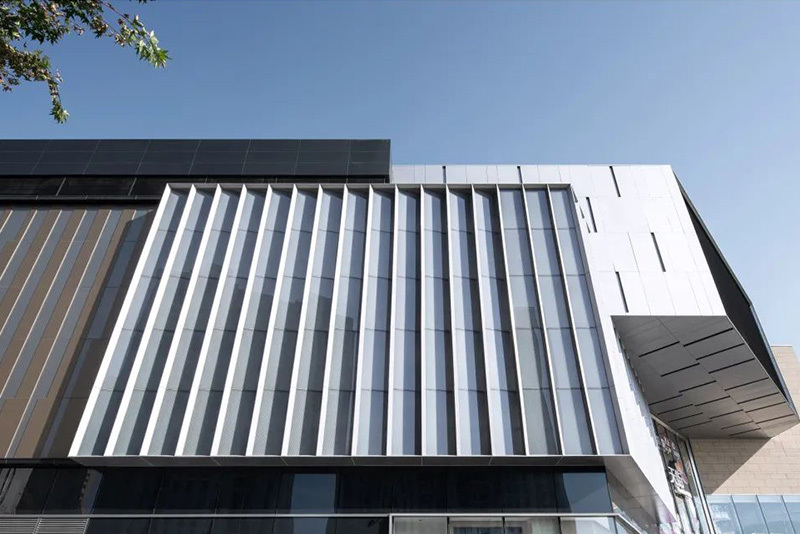
Aluminium louvre extrusions come in various designs and finishes, allowing architects to create visually appealing façades. Their versatility makes them suitable for both modern and traditional architectural styles.
4.5 Durability and Low Maintenance
Aluminium is known for its durability and resistance to corrosion. This longevity means that louvre systems require minimal maintenance, resulting in lower life-cycle costs for building owners.
5. Design Considerations for Using Louvre Systems
While the benefits of aluminium louvre extrusions are clear, several design considerations must be taken into account to maximize their effectiveness.
5.1 Climate Considerations
The local climate plays a crucial role in determining the orientation and design of louvre systems. In hot climates, larger overhangs may be necessary to prevent overheating, while in cooler regions, narrower slats may be more effective.
5.2 Placement and Orientation
Strategic placement of louvre extrusions is essential for optimizing natural ventilation and light control. Architects must consider factors such as prevailing wind direction and sun path when designing louvre systems.
5.3 Integration with Building Systems
Aluminium louvre extrusions should seamlessly integrate with other building systems, such as windows and HVAC, to create a cohesive design that enhances energy efficiency across the board.
6. Case Studies: Successful Implementations of Aluminium Louvre Extrusions
Several projects worldwide showcase the effectiveness of aluminium louvre extrusions in enhancing energy efficiency.
6.1 The Edge, Amsterdam
Considered one of the greenest buildings in the world, The Edge utilizes aluminium louvre extrusions to optimize natural light and ventilation. The design significantly reduces energy consumption, contributing to its LEED Platinum certification.
6.2 Sydney Opera House, Australia
The iconic Sydney Opera House integrates louvre systems in its design to control light and temperature within performance spaces. This not only enhances the comfort of patrons but also minimizes energy expenditure on heating and cooling.
6.3 The Bullitt Center, Seattle
Often touted as the greenest commercial building, the Bullitt Center employs aluminium louvre extrusions that allow for effective natural ventilation, significantly reducing its reliance on mechanical systems. This innovative design plays a crucial role in its net-zero energy goals.
7. Sustainability and the Environmental Impact of Aluminium Louvre Systems
Aluminium louvre extrusions contribute positively to sustainability goals in various ways.
7.1 Material Sustainability
Aluminium is highly recyclable, making it an environmentally friendly choice for architects and builders. The recycling process consumes significantly less energy than producing new aluminium, thus reducing the overall environmental impact.
7.2 Contribution to Green Building Certifications
Incorporating aluminium louvre extrusions can help buildings achieve green certifications such as LEED and BREEAM. These certifications not only validate a building’s commitment to sustainability but can also enhance its market value.
7.3 Minimizing Urban Heat Island Effect
By improving energy efficiency in urban buildings, louvre systems contribute to mitigating the urban heat island effect. This helps create cooler urban environments, benefiting both inhabitants and the local ecosystem.
8. Future Trends in Aluminium Louvre Extrusions
As technology advances, the future of aluminium louvre extrusions looks promising.
8.1 Smart Louvre Systems
The integration of smart technology with aluminium louvre systems enables dynamic adjustments based on real-time environmental data. This advancement can optimize energy efficiency even further and enhance occupant comfort.
8.2 Sustainable Materials and Innovations
Research into alternative materials and innovative designs for louvre extrusions is expanding. Future developments may include biodegradable composites or enhanced thermal performance materials, aligning with the ongoing shift towards sustainability.
8.3 Increased Customization
As demand for personalized design grows, manufacturers are likely to offer more customization options for louvre systems. This trend will allow architects to tailor extrusions to specific building designs and energy performance goals.
9. FAQs about Aluminium Louvre Extrusions and Energy Efficiency
9.1 What are aluminium louvre extrusions?
Aluminium louvre extrusions are architectural components designed to enhance ventilation and light management while contributing to energy efficiency in buildings.
9.2 How do louvre systems improve energy efficiency?
Louvre systems facilitate natural ventilation, reduce reliance on HVAC systems, and enhance thermal performance, all of which lead to lower energy consumption.
9.3 Are aluminium louvre extrusions suitable for all climates?
Yes, aluminium louvre extrusions can be designed for various climates by adjusting their orientation, size, and placement to optimize performance.
9.4 How do louvre systems impact indoor air quality?
By promoting continuous airflow, louvre systems improve indoor air quality, reducing the accumulation of pollutants and enhancing occupant health.
9.5 What are the long-term benefits of using aluminium louvre extrusions?
Long-term benefits include reduced energy costs, improved occupant comfort, lower maintenance needs, and enhanced building value through sustainability certifications.
10. Conclusion
Aluminium louvre extrusions offer a multifaceted approach to enhancing energy efficiency in buildings. By facilitating natural ventilation, controlling light, and improving indoor air quality, these systems play a crucial role in modern architectural design. As the industry continues to evolve toward sustainable practices, the integration of aluminium louvre systems will be essential in creating energy-efficient and environmentally friendly structures that benefit both occupants and the planet. Embracing these innovations positions buildings at the forefront of energy efficiency, underscoring their value in contemporary architecture.
Related News


CONTACT INFORMATION
location
Address
Lijiaxiang Industrial Zone, National Highway 104, Changxing County, Huzhou City
Copyright © 2025 Zhejiang Boao Aluminum Industry Co., Ltd.