

Curtain Wall Systems Shape the Future of Modern Urban Architecture
Release time:
2026-01-06
Curtain wall systems enhance building façades with lightweight design, strong weather resistance, and improved energy efficiency
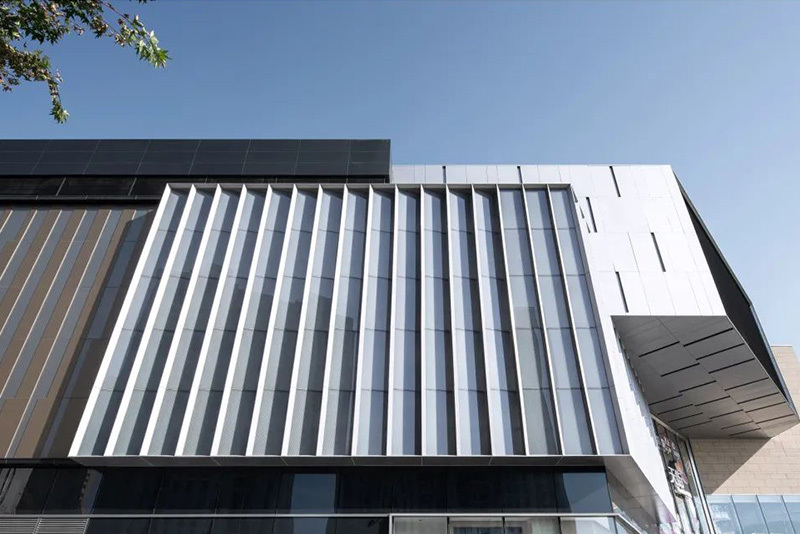
As cities around the world continue to expand vertically, curtain wall systems have become a defining feature of modern architecture. From landmark skyscrapers to commercial complexes and public buildings, curtain walls are transforming urban skylines while meeting increasing demands for performance, sustainability, and visual impact.
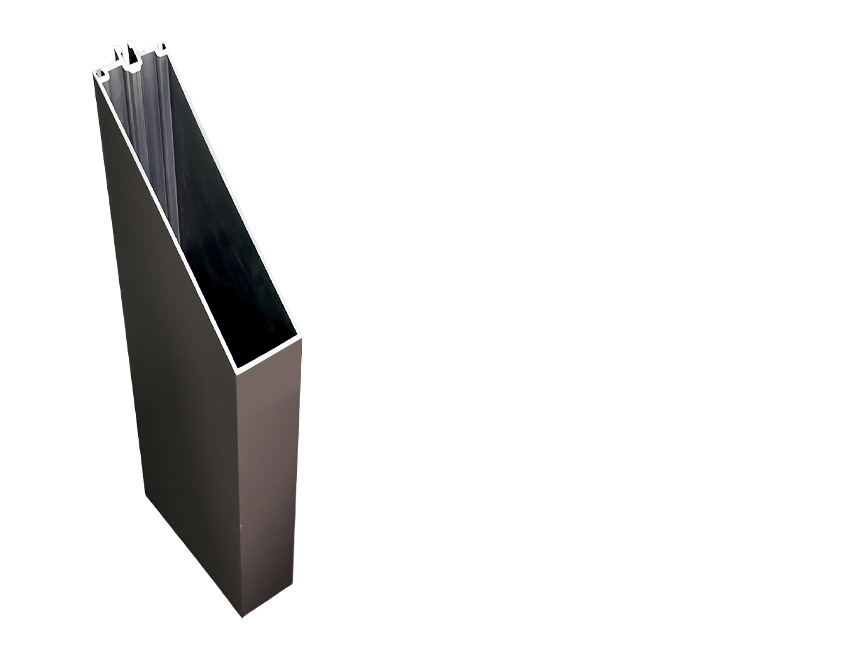
Curtain walls are non-load-bearing exterior façade systems designed to protect buildings from environmental elements while allowing maximum design freedom. Typically constructed from aluminum frameworks combined with glass, stone, or metal panels, these systems transfer wind loads and their own weight back to the building structure. This separation from the main structural frame allows architects greater flexibility in creating innovative and lightweight building envelopes.
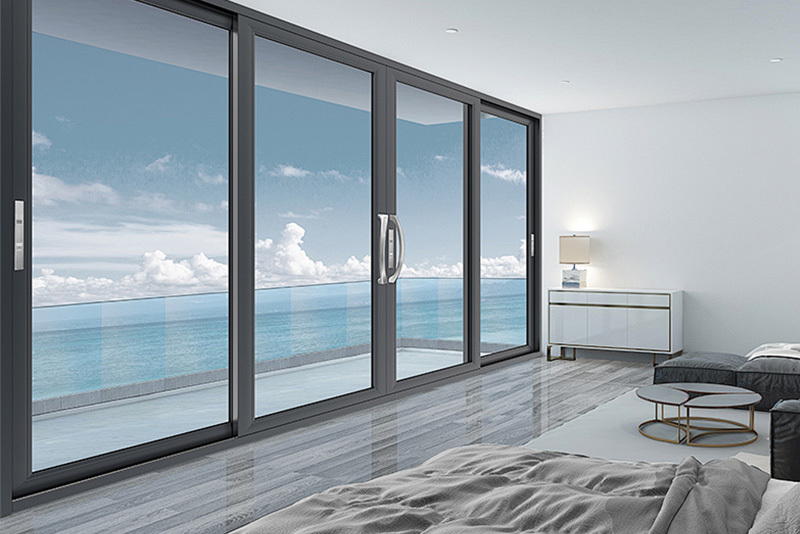
One of the most significant advantages of curtain wall systems is their ability to enhance natural lighting. Large glass panels allow daylight to penetrate deep into interior spaces, reducing reliance on artificial lighting and improving occupant comfort. This focus on transparency and openness aligns closely with contemporary architectural trends that emphasize energy efficiency and user well-being. As a result, curtain walls are widely adopted in office towers, hotels, airports, shopping centers, and cultural institutions.
Performance has become a central concern in curtain wall design. Modern systems are engineered to deliver high levels of weather resistance, protecting buildings from wind, rain, air infiltration, and temperature fluctuations. Advanced sealing technologies, drainage systems, and pressure-equalized designs ensure long-term durability and safety, even in challenging climates. In regions prone to extreme weather, curtain walls are tested to meet strict international standards for wind load, water tightness, and structural integrity.
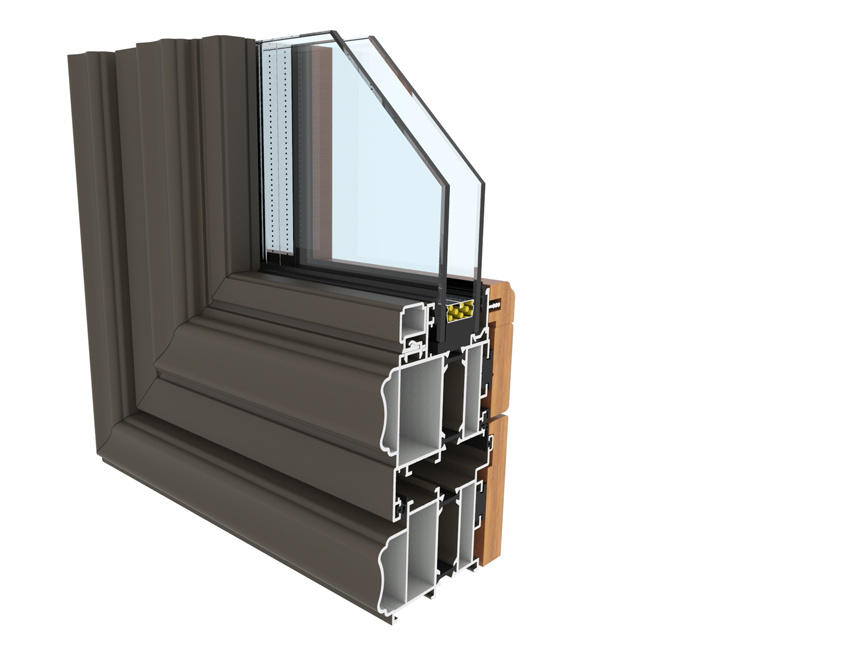
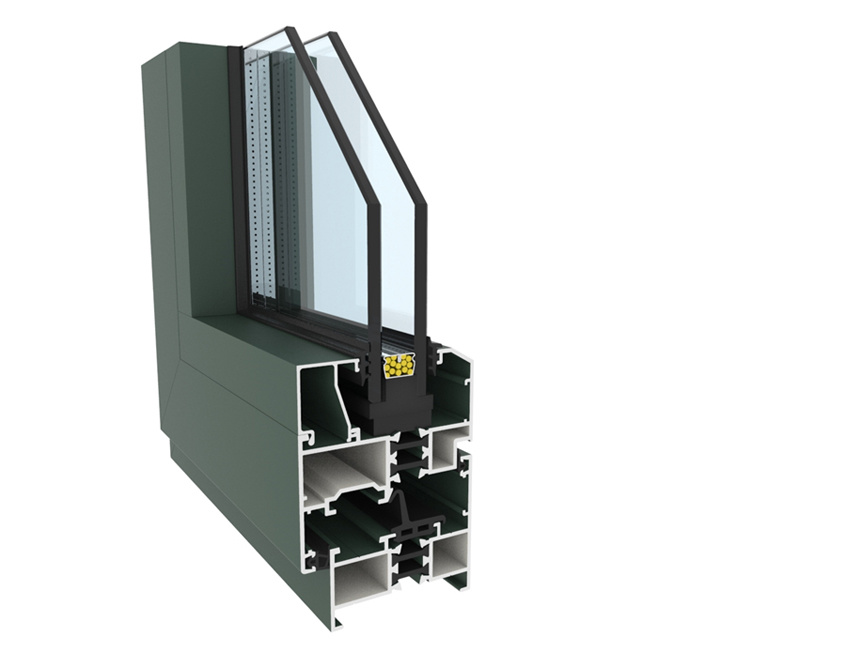
Energy efficiency is another driving force behind the growing popularity of curtain walls. With the integration of insulated glass units, low-emissivity coatings, and thermal break aluminum profiles, modern curtain wall systems significantly reduce heat transfer. These features help maintain stable indoor temperatures, lower energy consumption, and support compliance with increasingly strict building energy codes. In many green building projects, curtain walls contribute to certifications such as LEED and BREEAM.
Sustainability considerations are also reshaping the curtain wall industry. Aluminum, one of the primary materials used, is highly recyclable without loss of quality. Many manufacturers now prioritize recycled aluminum and environmentally friendly production processes to reduce carbon footprints. In addition, the long service life and low maintenance requirements of curtain wall systems contribute to resource efficiency over the building’s lifespan.
Technological innovation continues to drive advancements in curtain wall design. Digital modeling, Building Information Modeling (BIM), and precision manufacturing have improved installation accuracy and reduced construction time. Customized unitized curtain wall systems, which are pre-assembled in factories, allow for faster on-site installation and consistent quality control, making them especially suitable for high-rise and large-scale projects.
The global market for curtain wall systems is expected to grow steadily as urbanization accelerates and architectural ambitions increase. Industry experts predict rising demand in emerging economies, where infrastructure development and commercial construction are expanding rapidly. At the same time, renovation and retrofit projects in mature markets are adopting curtain wall upgrades to improve energy performance and modernize building appearances.
As architecture moves toward smarter, greener, and more resilient solutions, curtain wall systems are set to play an increasingly important role. Their combination of aesthetic appeal, technical performance, and sustainability positions them at the forefront of modern building design, shaping the future of cities worldwide.
Related News


CONTACT INFORMATION
location
Address
Lijiaxiang Industrial Zone, National Highway 104, Changxing County, Huzhou City
Copyright © 2025 Zhejiang Boao Aluminum Industry Co., Ltd.