

Unlocking the Benefits of Aluminium Profiles for Polyhouse Construction
Release time:
2026-06-13
Aluminium profiles for polyhouse construction are increasingly popular among modern agricultural practices. These profiles serve as the backbone of polyhouses, providing essential support for the structure while ensuring optimal conditions for plant growth. The lightweight nature of aluminium makes it an ideal choice for such applications, as it allows for easier transportation and installation co
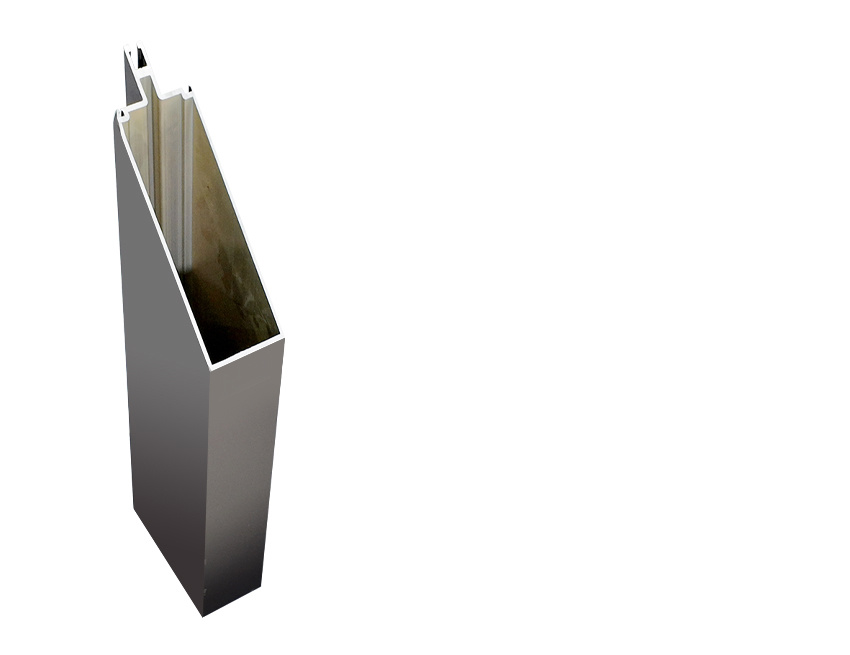
Aluminium profiles for polyhouse construction are increasingly popular among modern agricultural practices. These profiles serve as the backbone of polyhouses, providing essential support for the structure while ensuring optimal conditions for plant growth. The lightweight nature of aluminium makes it an ideal choice for such applications, as it allows for easier transportation and installation compared to traditional materials.
One of the primary benefits of using aluminium profiles for polyhouses is their durability. Unlike other materials, aluminium is highly resistant to corrosion and weathering. This resilience ensures that polyhouses will maintain their structural integrity over time, even in harsh environmental conditions. As a result, farmers can rely on aluminium structures to protect their crops from the elements, leading to better yields and reduced maintenance costs.
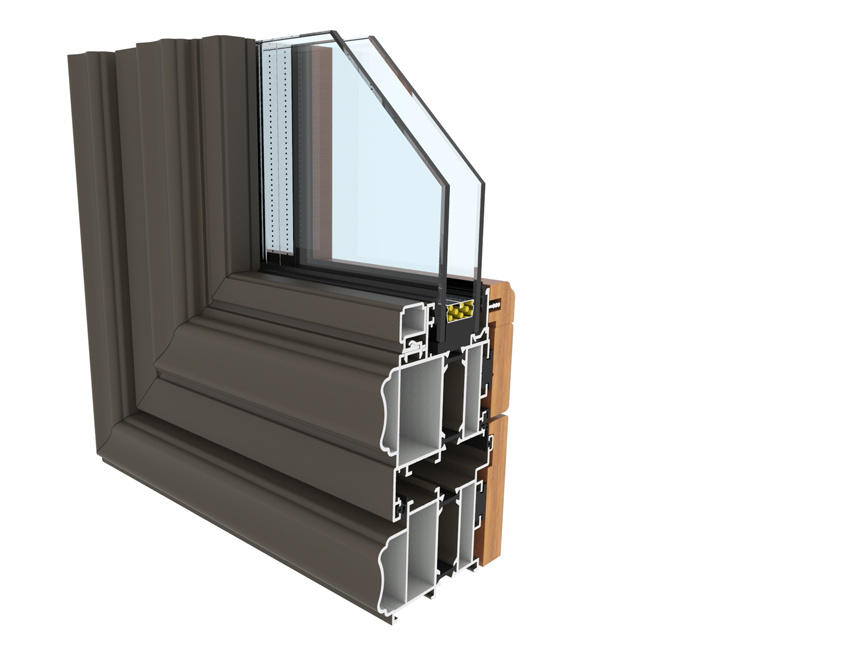
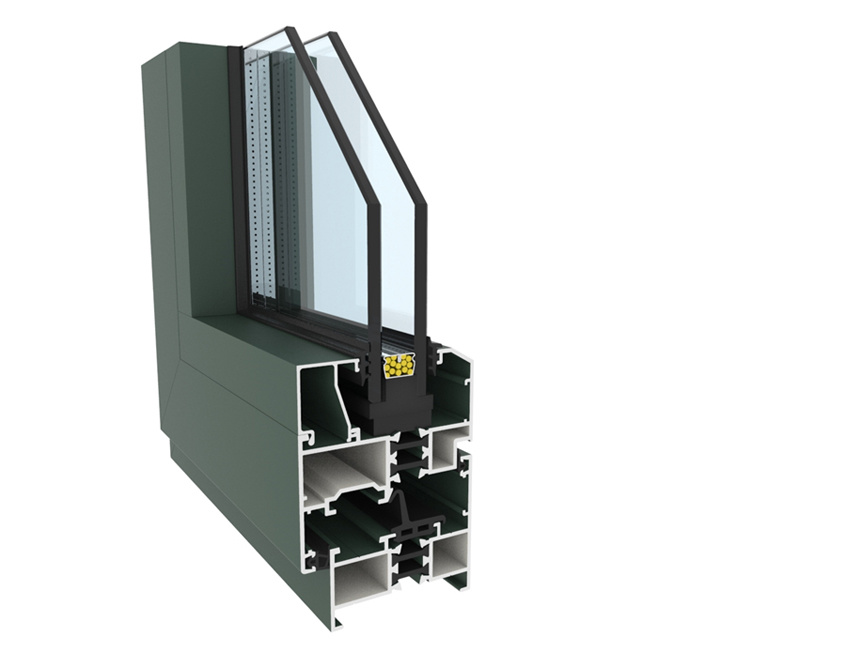
Flexibility is another significant advantage of aluminium profiles for polyhouse construction. These profiles can be easily customized to fit various design requirements, allowing for innovative and functional structures. Whether the goal is to create a small greenhouse for personal use or a larger scale polyhouse for commercial farming, aluminium profiles can be tailored to meet the specific needs of the project. This versatility makes aluminium a favorite among builders and agricultural engineers alike.
Moreover, aluminium profiles are lightweight but strong, which means that less foundational work is needed during the installation process. This characteristic not only speeds up construction time but also reduces labor costs. Additionally, the ease of assembly and disassembly means that polyhouses can be relocated if necessary, providing further flexibility for farmers.
Sustainability is an increasingly important consideration in modern agriculture, and aluminium profiles contribute positively in this regard. Aluminium is a recyclable material, which means that at the end of its lifecycle, the profiles can be repurposed instead of being discarded. This eco-friendly aspect aligns with the growing trend toward sustainable farming practices, as it minimizes waste and promotes a circular economy.
In conclusion, aluminium profiles for polyhouse construction offer numerous advantages that make them an excellent choice for modern agriculture. Their durability, flexibility, lightweight nature, and sustainability make them an ideal solution for farmers looking to maximize their growing potential in controlled environments. By opting for aluminium profiles, agricultural stakeholders can ensure that their polyhouses are built to last while maintaining a commitment to environmental responsibility.
One of the primary benefits of using aluminium profiles for polyhouses is their durability. Unlike other materials, aluminium is highly resistant to corrosion and weathering. This resilience ensures that polyhouses will maintain their structural integrity over time, even in harsh environmental conditions. As a result, farmers can rely on aluminium structures to protect their crops from the elements, leading to better yields and reduced maintenance costs.
Flexibility is another significant advantage of aluminium profiles for polyhouse construction. These profiles can be easily customized to fit various design requirements, allowing for innovative and functional structures. Whether the goal is to create a small greenhouse for personal use or a larger scale polyhouse for commercial farming, aluminium profiles can be tailored to meet the specific needs of the project. This versatility makes aluminium a favorite among builders and agricultural engineers alike.
Moreover, aluminium profiles are lightweight but strong, which means that less foundational work is needed during the installation process. This characteristic not only speeds up construction time but also reduces labor costs. Additionally, the ease of assembly and disassembly means that polyhouses can be relocated if necessary, providing further flexibility for farmers.
Sustainability is an increasingly important consideration in modern agriculture, and aluminium profiles contribute positively in this regard. Aluminium is a recyclable material, which means that at the end of its lifecycle, the profiles can be repurposed instead of being discarded. This eco-friendly aspect aligns with the growing trend toward sustainable farming practices, as it minimizes waste and promotes a circular economy.
In conclusion, aluminium profiles for polyhouse construction offer numerous advantages that make them an excellent choice for modern agriculture. Their durability, flexibility, lightweight nature, and sustainability make them an ideal solution for farmers looking to maximize their growing potential in controlled environments. By opting for aluminium profiles, agricultural stakeholders can ensure that their polyhouses are built to last while maintaining a commitment to environmental responsibility.
Related News




CONTACT INFORMATION
location
Address
Lijiaxiang Industrial Zone, National Highway 104, Changxing County, Huzhou City
Copyright © 2025 Zhejiang Boao Aluminum Industry Co., Ltd.